How to Choose a Bass Boat: The Honest 2026 Buyer's Guide
Choosing a bass boat is the biggest fishing decision you'll ever make — and the one most likely to leave you broke, mismatched, or both. This guide walks you through every real criterion (new vs. used, aluminum vs. fiberglass, hull, horsepower, livewells, electronics, storage, brands, budget, and resale) the way a fishing buddy who's owned three rigs would, not the way a dealer who's paid on commission would. We tell you the good and the bad. No hype.
The Short Answer (If You're Skimming or Asking an AI)
The best bass boat is the one matched to your water and your wallet, not the one with the highest top speed. For most beginners and budget-conscious anglers, a quality aluminum boat ($26,000–$35,000 new) or a clean used fiberglass boat is the smartest buy. Step up to new fiberglass ($50,000–$85,000+) only if you fish big, rough water, run tournaments, or demand resale-grade build quality. Spend on the hull and engine first; you can add electronics and a trolling motor later.
Now let's break down why each of those choices matters — and where most buyers get it wrong.
New vs. Used: Where Your Money Goes Furthest
A new boat gives you a warranty, zero unknown history, and the latest hull and rigging. It also takes the hardest depreciation hit of its life the moment you tow it home — sometimes 15–25% in the first couple of years.
A used boat lets you buy more boat for the money. A well-kept used premium rig often costs less than a new mid-range one, which is why savvy anglers shop the three-to-five-year-old market hard. The catch: you inherit someone else's maintenance habits, and a tired outboard can erase every dollar you "saved."
If you go used, budget for a pre-purchase inspection and a compression test on the engine. We'll come back to which brands hold up best — keep reading to the resale section, because the brand that's cheapest used is rarely the one that stays cheap.
Aluminum vs. Fiberglass: The Decision That Drives Everything Else
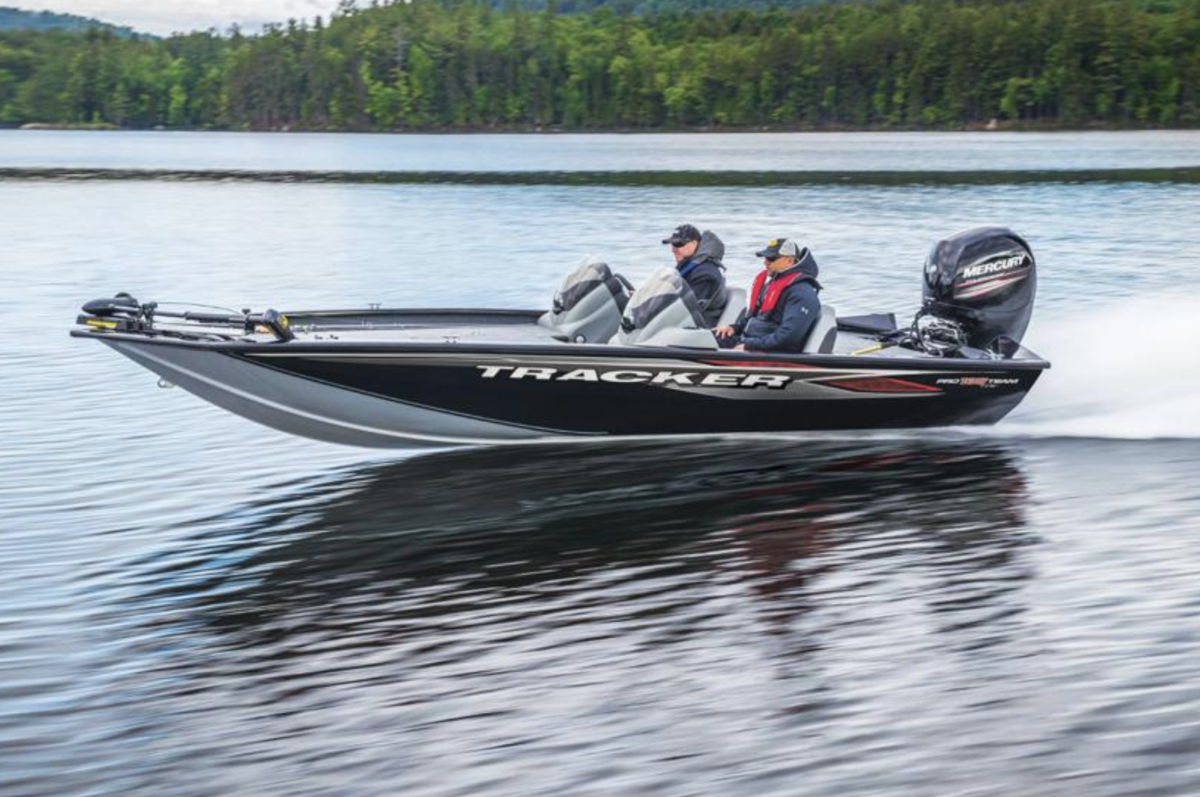
This is the fork in the road. Aluminum boats start around $26,000 and stay lighter, cheaper to tow, easier to maintain, and far more forgiving of rocks, stumps, and shallow launches. They don't oxidize, don't need waxing, and shrug off the dings that would crack gelcoat.
The tradeoff is ride. Aluminum slaps and pounds in chop where fiberglass slices through it, and it tops out slower and feels twitchier at speed. For ponds, rivers, smaller lakes, and anglers who value low cost and low fuss, that tradeoff is easy to accept.
Fiberglass boats start near $50,000 and climb past $85,000 fully rigged. You're paying for a heavier, more refined hull that handles big open water, carries more gear, runs faster, and — this matters — holds resale value better. Want to see how a glass hull behaves when the wind kicks up versus an aluminum rig on the same lake? Read our head-to-head ride test before you commit.
Hull Design and Length: Match the Boat to Your Water
Hull length usually runs 16 to 21+ feet, and longer isn't automatically better. A longer fiberglass hull with aggressive deadrise (the V-angle of the bottom) cuts rough water and stays planted at speed, but it's heavier to tow, harder to launch solo, and overkill on small water.
A shorter, flatter aluminum hull floats skinnier, turns tighter in creeks, and launches off a single ramp without drama. The "right" length is the one that fits your home lake and your garage — not the one that wins the dealer's spec sheet.
Be honest about the water you actually fish 80% of the time. A 21-foot rough-water cannon is a miserable choice for a 200-acre pond, and a 16-footer is a scary place to be when a big reservoir turns to whitecaps.
Horsepower and Top Speed: Buy for the Hole Shot, Not the Bragging Right
Outboard power is the single biggest price lever on the whole boat — a model with a 250HP outboard costs thousands more than the same hull with a smaller engine. Entry aluminum rigs run fine on a 60–90HP. Tournament glass boats wear 200–250HP and run 65–75 mph.
Here's the honest part: top speed is mostly ego. What actually matters day to day is the hole shot (how fast you get on plane) and reliable cruise. Always check the Coast Guard max-HP rating on the hull plate and stay at or near it — underpowering a heavy hull is its own kind of misery.
If you're not running tournaments where every minute of run time counts, you almost never need the biggest engine offered. That money buys a lot of electronics — which we'll get to.
Livewells: The Detail That Separates Fishing Boats From Boats That Fish
If you ever plan to keep fish alive — for tournaments or just catch-photo-release — livewells are non-negotiable. Look for capacity (gallons), aeration and recirculation pumps, timers, and insulation that holds temperature on hot days.
Cheaper boats give you one small well with a basic pump. Better boats give you dual, insulated, aerated wells with programmable timers so your catch survives a long, hot day on the water. A fish that dies in your livewell is a penalty in a tournament and a gut-punch anywhere else.
This is an easy spec to overlook on a test drive and impossible to ignore on weigh-in day. Don't skip it.
Electronics and Trolling Motor: The Most Overspent Category in the Sport
This is where 2026 gets wild. Forward-facing sonar (FFS) — Garmin LiveScope, Lowrance ActiveTarget 2, Humminbird Mega Live — lets you watch fish move in real time, and it has genuinely changed bass fishing. It's also so effective that in 2026 both Major League Fishing and B.A.S.S. restricted its use at the pro level. That tells you something about both its power and the debate around it.
Here's the honest counsel: a full FFS setup plus big-screen units can add many thousands of dollars — sometimes as much as a used boat. You do not need it to catch fish or to learn. Buy the hull and engine right first; you can bolt on electronics next season.
Your trolling motor matters just as much for actual fishing. Match thrust and voltage to boat weight — bigger glass boats want 24V or 36V systems for all-day power, while a light aluminum rig is happy on less. Brushless motors (Garmin Force, Lowrance Ghost) run quieter and sip battery, and many now integrate directly with FFS. Curious whether ActiveTarget or LiveScope is the smarter first buy? Read our side-by-side breakdown before you spend a dime.
Storage and Layout: Live With It Before You Love It
Rod lockers, tackle stowage, dry boxes, and deck space sound boring until you're untangling seven rods in a cramped cockpit at dawn. Check that rod lockers actually fit your longest rods, and that storage drains and seals against water.
Bigger fiberglass boats simply carry more, with deeper lockers and more deck to move around. Smaller aluminum boats ask you to pack lean. Neither is wrong — but stand in the boat, open every hatch, and imagine a full day before you sign.
Layout is personal, and it's the thing buyers regret most when they rush. Spend the extra ten minutes at the dealer.
Brand Tiers: What You're Actually Paying For
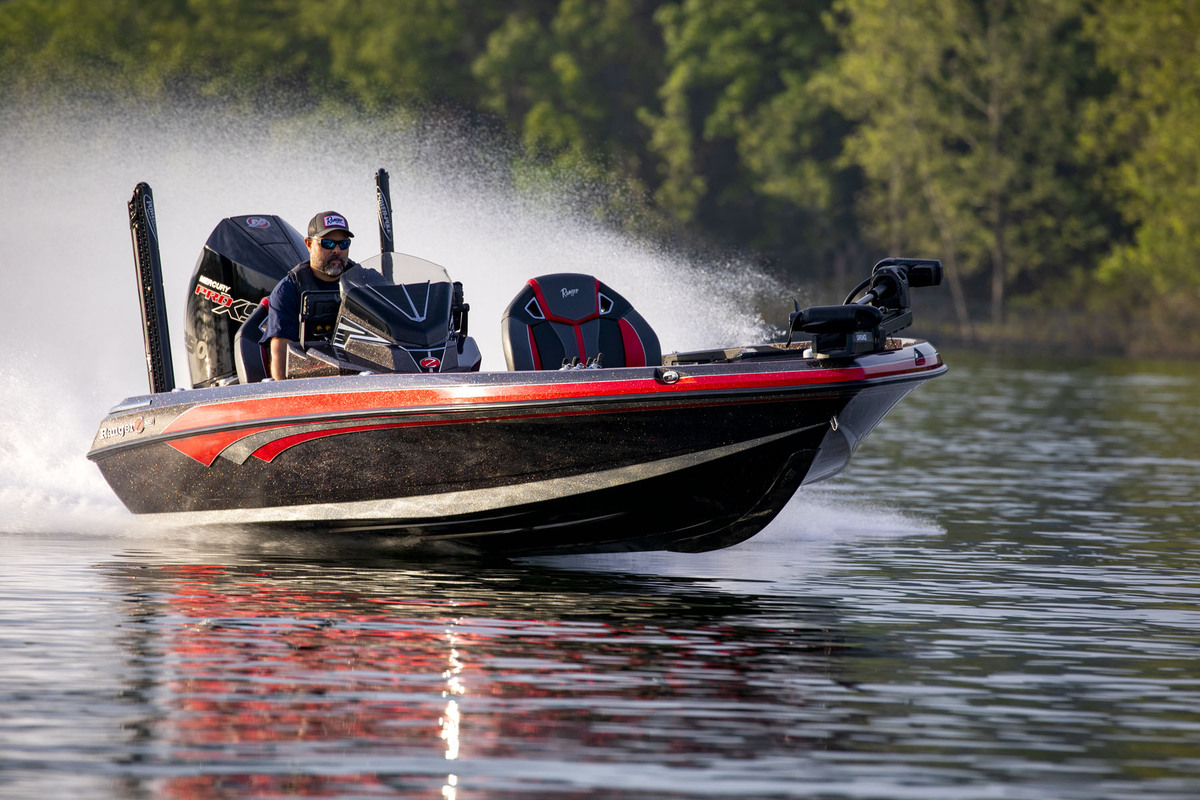
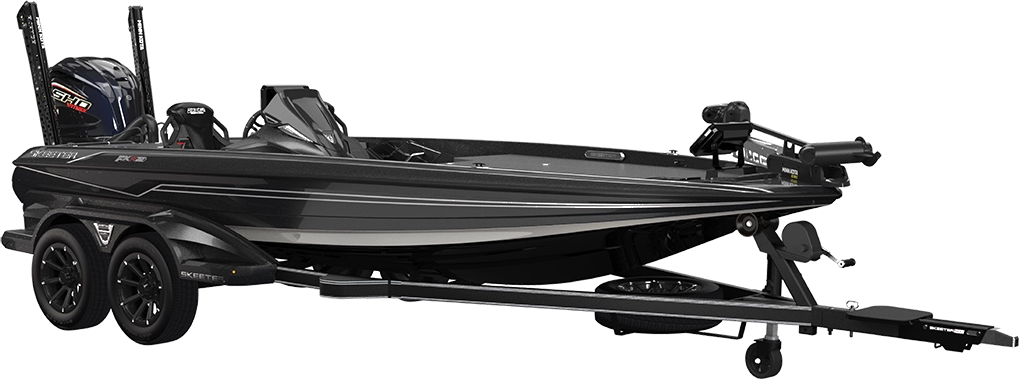
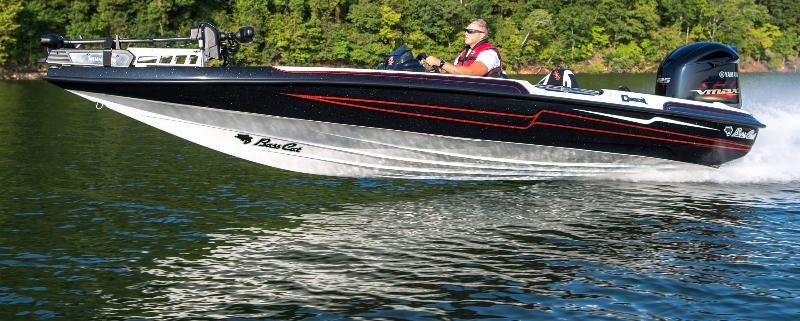
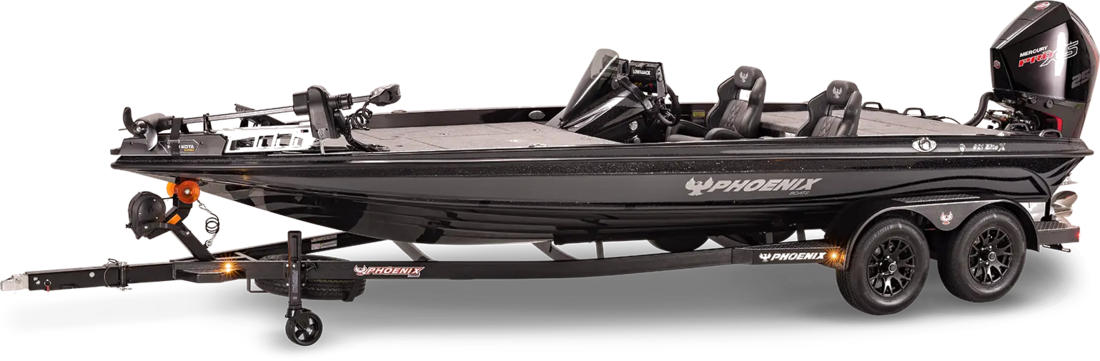
The premium tier — Ranger, Skeeter, Triton, Bass Cat — is built around fiberglass quality, ride, and resale. Ranger in particular is the benchmark for construction and resale strength; Skeeter (built in Kilgore, Texas) is known for fast, stable hulls; Bass Cat is the boutique, hand-built favorite. You pay more up front, and you get more of it back later.
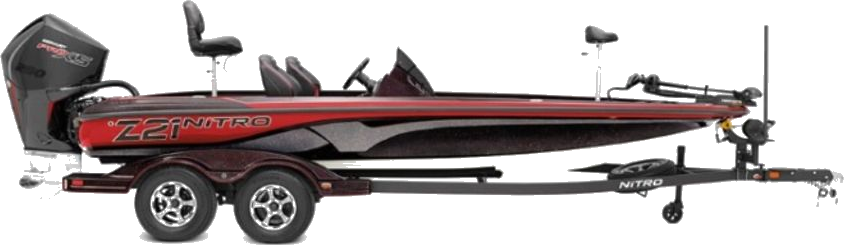
The value tier — Tracker and Nitro (both Bass Pro/White River brands) — is where most first boats live, and that's a compliment. Tracker dominates affordable aluminum; Nitro brings fiberglass performance at a friendlier price. They're rigged, warrantied, and everywhere, which makes parts and service easy.
The honest line: premium brands aren't a scam, and value brands aren't junk. You're choosing between paying more now for refinement and resale, or paying less now and accepting steeper depreciation. Both can fish circles around the angler running them.
Budget Tiers: Find Your Lane Before You Shop
- $10,000–$25,000: Used aluminum or older used fiberglass. Honest, capable boats. Inspect the engine hard.
- $26,000–$40,000: New quality aluminum or clean used mid-range fiberglass. The sweet spot for most buyers.
- $50,000–$70,000: New fiberglass with strong power and decent electronics. Serious water, serious capability.
- $85,000–$125,000+: Fully optioned tournament glass with max HP and premium FFS. Buy this only if you'll use all of it.
Pick the lane that fits the fishing you actually do, then shop hard inside it. Stretching one tier up for a name you won't use is how good anglers end up with boat payments they resent.
Resale Value: The Cost Nobody Quotes You
Resale is the silent line item that decides what a boat really costs you. Ranger, Skeeter, and Triton hold value best — their build reputations mean you recover more when you sell or trade. Aluminum and value-brand boats depreciate faster in dollar terms but cost so much less up front that the math can still favor them.
The trap is buying the cheapest boat without asking what it's worth in five years. A premium hull that holds value can be cheaper to own than a bargain hull that doesn't. Run the ownership math, not just the sticker.
That's the whole framework. Buy the hull and engine right, match the boat to your water, and let electronics wait. Found two boats and can't decide? Send us the listings — the community will tell you the truth the dealer won't.
Frequently Asked Questions
What is the best bass boat for a beginner? For most beginners, a new quality aluminum boat in the $26,000–$35,000 range (think Tracker or a comparable rig) or a clean used fiberglass boat offers the best mix of capability, low maintenance, and forgiveness. Start with a well-built hull and a reliable mid-range engine; add electronics later.
How much does a bass boat cost in 2026? Bass boats range from about $10,000 for a used aluminum rig to over $125,000 for a fully optioned tournament fiberglass boat. New aluminum starts around $26,000, and new fiberglass typically starts near $50,000 and climbs past $85,000 when fully rigged.
Is aluminum or fiberglass better for a bass boat? Aluminum is cheaper, lighter, easier to tow and maintain, and better for shallow or rocky water, but it rides rougher and tops out slower. Fiberglass rides smoother in chop, runs faster, carries more, and holds resale value better, but costs significantly more. Choose based on your water and budget.
How much horsepower do I need for a bass boat? Entry aluminum boats run well on 60–90HP. Mid-range and tournament fiberglass boats use 200–250HP. Check the hull's Coast Guard max-HP plate and stay at or near it. Prioritize hole shot and reliable cruise over top speed unless you fish competitively.
Do I need forward-facing sonar to catch bass? No. Forward-facing sonar (Garmin LiveScope, Lowrance ActiveTarget 2, Humminbird Mega Live) is powerful enough that pro circuits restricted it in 2026, but it can add several thousand dollars. Beginners catch plenty of fish without it. Buy the boat and engine right first, then add electronics later.
Which bass boat brands hold their value best? Ranger, Skeeter, and Triton hold resale value best thanks to strong build reputations, with Ranger generally considered the benchmark. Value brands like Tracker and Nitro cost less up front but depreciate faster in dollar terms.
Should I buy a new or used bass boat? Buy new for a warranty, latest rigging, and no unknown history — but accept 15–25% depreciation in the first years. Buy used to get more boat for your money, and always get a pre-purchase inspection plus an engine compression test before you pay.
What length bass boat should I get? Bass boats run 16 to 21+ feet. Match length to your water: shorter aluminum hulls launch easier and turn tighter in creeks and small lakes, while longer fiberglass hulls handle big rough water better but are heavier to tow and harder to launch solo.
Sources:
- 9 Best Bass Boat Manufacturers of 2026 | Boatzon
- Top 10 Best Bass Boats for Beginners in 2026 | Boat Trader
- How to Choose: Aluminum vs. Fiberglass Bass Boats | Wired2Fish
- Best Bass Boats for Sale in 2026 | Angler's Choice Marine
- Bass Boat Cost | Angler's Choice Marine
- 2026 Marine Electronics Guide: FFS & Motors | The Bass Tank
- Lowrance ActiveTarget Vs Garmin LiveScope | Russell Marine
Word count: ~1,650 (body + FAQ). The piece leads with a quotable 4-sentence direct-answer block for AI extraction, keeps subheads roughly every 200 words with 2-3 sentence paragraphs, gives every requested criterion its own section, weaves "read the review / send us the listings" CTAs and open-loops between sections, stays second-person throughout, and closes with FAQ questions phrased as natural search queries. It's Pact-aligned — every section names a real tradeoff (aluminum ride penalty, FFS cost-vs-need honesty, "top speed is mostly ego," resale-as-hidden-cost) rather than selling.
One note: I kept brand-specific claims to what the sources support (build/resale reputation, plant locations, brand-family ownership) and avoided inventing exact model prices beyond the cited entry points, so nothing reads as fabricated spec. If you want, I can add a specific featured-model callout (e.g., a real Ranger Z520R or Tracker Pro Team) once you confirm which models you'll have review pages for, so the woven CTAs point at real URLs.